

OCD Doesn’t Always Look Like OCD
Two sisters grew up with the same disorder—and didn’t realize it until therapy revealed how invisible it can be.

We waited until after OCD Awareness Week to post this—on purpose.
Because awareness shouldn’t end when the calendar says it does. It should last as long as people are still searching for language, help, and hope.
When people hear “OCD,” the first image that comes to mind is usually someone washing their hands too often or checking the door over and over again. But OCD can take many forms—some visible, some invisible.
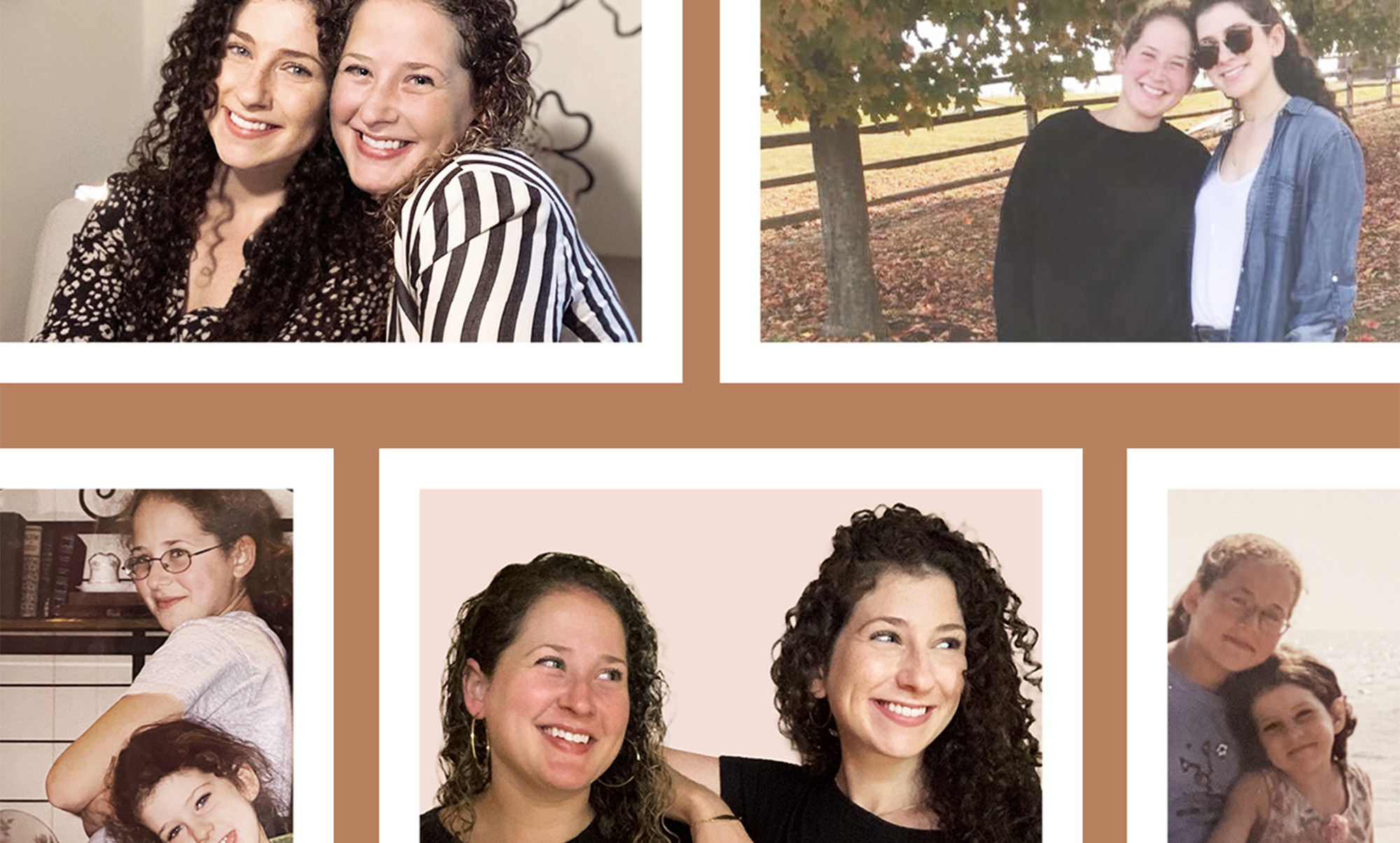
Lindsay and I (Emily) know this firsthand. We’re sisters who both grew up with OCD, but in completely different ways. Our story shows how OCD can hide in plain sight—and why it’s so important to talk about the subtypes that don’t always fit the stereotype.
Lindsay’s Story: From the Recognizable to the Unseen
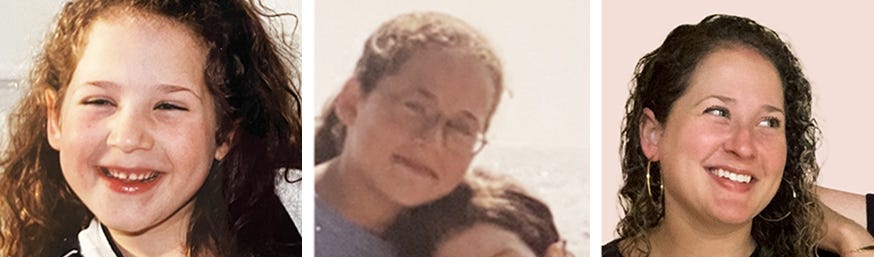
Lindsay’s OCD first showed up in the “classic” ways: flipping light switches, asking people to repeat things, worrying she might do something that could harm a loved one.
But in high school, things took a sharp turn. She had a panic attack after one intrusive thought: “What if none of this is real? What if I’m dead, or my family is dead, and I’m the only one alive?”
That single thought spiraled into a terrifying season of her life. She couldn’t eat or drink. She couldn’t leave the house or go to school. She feared her food was poisoned or that someone might get hurt if our parents raised their voices.
It took time—and a lot of confusion—for our family to understand what was happening. Eventually, after research and persistence, our mom found a therapist who helped us see it for what it was: a lesser-known subtype of OCD.
And here’s the key part: the whole household had to learn how to respond. Being supportive didn’t mean giving in to OCD’s rules—it meant showing love while also helping Lindsay resist compulsions.
Emily’s Story: The Hidden Struggle
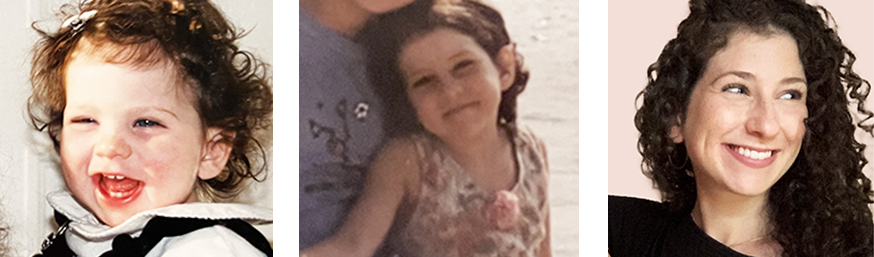
I (Emily), five years younger, watched all this unfold while quietly facing my own storm.
In middle school, my anxiety centered on separation and endless confessions. I worried about things like, “What if I grow up and smoke cigarettes?” or “What if a bad thought I had means something awful about me?”
By high school, that fear shifted into perfectionism with grades. Then in college, I had a panic moment that reopened every fear I’d had years before—especially around sexuality, guilt, and health.
I didn’t tell anyone. On the outside, I looked fine. On the inside, I was unraveling. After college, I finally reached the point where I knew I needed help. Therapy changed everything. That’s when I learned I’d been living with OCD my whole life, too—right alongside my sister.
Healing doesn’t just happen in therapy sessions—it happens in all the in-between moments when you need a reminder of what’s true.
What We Learned Together
OCD didn’t just affect each of us individually—it shaped our family dynamic.
We were constantly reminding ourselves what our therapists taught us:
👉 Tools, not reassurance.
👉 Support, not accommodation.
👉 And the reminder that OCD isn’t who we are—it’s something we can learn to face.
Over the years, Lindsay and I became each other’s mirrors. When one of us was too deep in the fog to see clearly, the other could say, “Hey, that’s OCD talking. Remember what we’ve learned.”
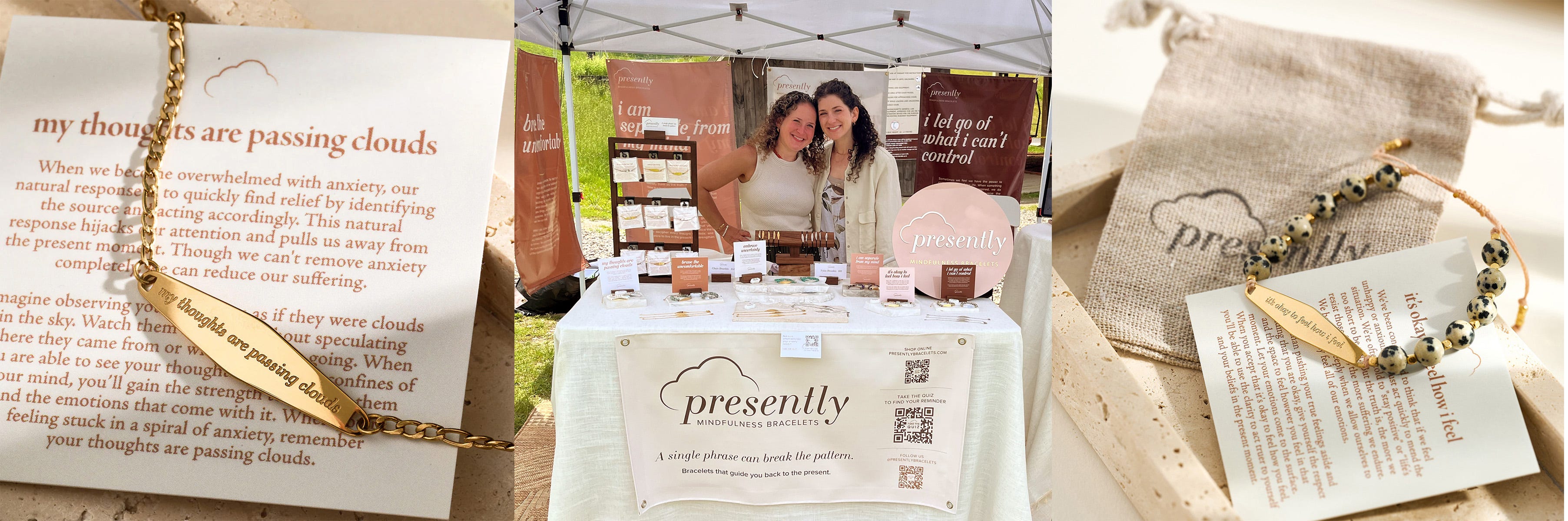
Out of that bond, we created Presently—a way to turn those lessons into something tangible. Our bracelets are wearable reminders of the words that helped us keep going on the days when everything felt impossible.
Why This Matters
OCD doesn’t always look like OCD. Sometimes it looks like fear about food, guilt over a random thought, or panic that reality isn’t real. And when it goes unnoticed, people can suffer in silence for years.
By sharing our story, we hope to shine a light on those hidden forms, give people the words they didn’t have before, and remind them they’re not alone.
Because healing doesn’t just happen in therapy sessions—it happens in all the in-between moments when you need a reminder of what’s true.
That’s where we come in.
→ Find the reminder your mind needs today at PresentlyBracelets.com
It's really great you both can support each other in your therapeutic journeys.
I am so proud of you both for all you do to help others and yourself. Love you so much ❤️❤️